
Uncharted Beauty: Why North East India Should Be Your Next Travel Destination
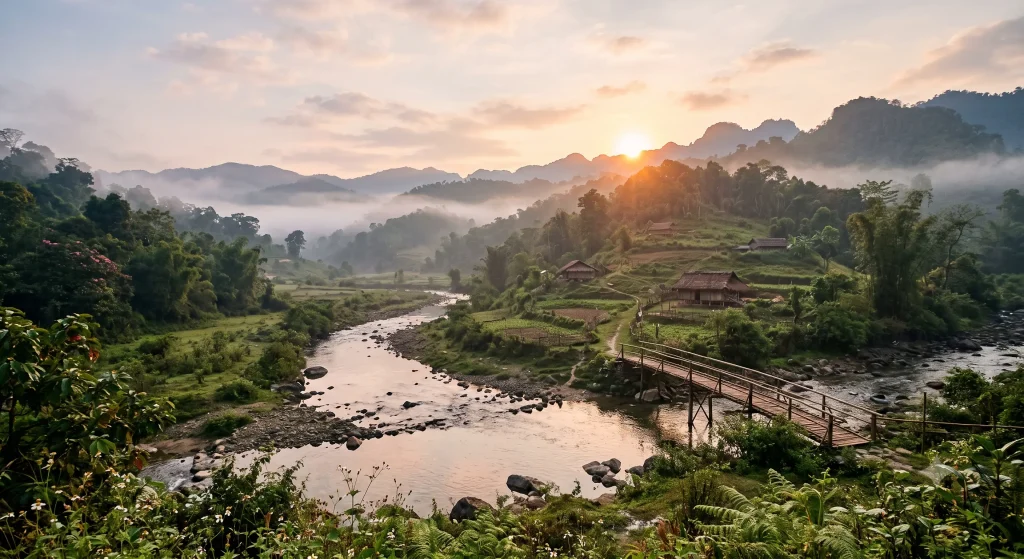
If you are looking to escape the crowded tourist traps and discover untouched natural beauty, look no further than the misty valleys of North East India. Imagine waking up to the sound of crystal-clear rivers flowing beneath quaint wooden bridges, surrounded by rolling, emerald-green hills at sunrise. This region offers a perfect blend of rich indigenous culture, thrilling adventure trails, and serene landscapes that remain delightfully off the mainstream radar. It is a true paradise for photographers, nature lovers, and anyone seeking a peaceful retreat into the wild.
The Allure of the Seven Sisters
While traditional vacation spots in Himachal Pradesh and Uttarakhand battle intense overcrowding and heavy traffic during peak seasons, the northeastern corridor of India remains one of the last true frontiers for authentic, slow travel. Comprising the “Seven Sister” states along with Sikkim, this region is entirely distinct from the rest of the country in both geography and culture.
The biodiversity here is staggering, with landscapes transitioning rapidly from lush, sub-tropical rainforests to towering, snow-capped alpine peaks. Beyond the dramatic geography, the cultural fabric of North East India is incredibly vibrant and diverse. Travelers can engage with local indigenous communities, sample unique regional cuisines that are completely different from the heavily spiced curries of the mainland, and witness ancient traditions that have been preserved for centuries. Whether you are an adrenaline junkie looking for a rigorous trek or a quiet wanderer in search of monastic peace, the northeast has a hidden gem waiting to be discovered.
Meghalaya: The Abode of Clouds
Meghalaya, which literally translates to “the abode of clouds,” offers some of the most surreal, mist-draped landscapes on the planet. It is a state defined by its dramatic plunging waterfalls, mysterious ancient limestone caves, and dense, enchanted forests that feel entirely separated from the modern world.
Dawki and the Umngot River
One of the most visually arresting sights in Meghalaya is the small border town of Dawki, situated roughly 70 kilometers away from the capital city of Shillong. Dawki is famous for the magnificent Umngot River. The greenish-blue water here is so impeccably clean and transparent that local fishing boats appear to be magically floating in mid-air above the rocky riverbed. Floating leisurely along this pristine waterway while surrounded by the tranquil Khasi and Jaintia hills is an incredibly surreal experience that revitalizes the soul and offers some of the best photography opportunities in the state.
The Magic of Mawlynnong
Just a short, scenic drive from Dawki lies Mawlynnong, a place famously dubbed “God’s own garden” and awarded the prestigious title of the cleanest village in Asia. Aside from its pristine, immaculately maintained botanical pathways, Mawlynnong serves as a primary gateway to Meghalaya’s iconic living root bridges. Over multiple generations, local Khasi villagers have patiently guided the thick, sturdy roots of massive rubber trees across jungle streams, naturally intertwining them to form incredibly strong, living bridges that only grow sturdier with time. Walking across one of these ancient bio-engineering marvels while listening to the gentle gurgling of nearby waterfalls is an absolute must-do for any eco-tourist.
Nagaland and Manipur: Trails of Emerald Beauty
For those willing to lace up their hiking boots and hit the trails, the misty border between Nagaland and Manipur offers one of the most rewarding and visually stunning trekking experiences in the entire country.
The Enchanting Dzukou Valley
Known widely as the “Valley of Flowers of the Northeast,” the Dzukou Valley is an absolute dreamland of rolling emerald green hills and serpentine, icy streams. Because the valley floor is strictly accessible only on foot via a moderate trekking route, it remains wonderfully free of vehicle traffic, pollution, and commercial crowds. If you plan your challenging visit between the months of June and early September, you will be treated to the spectacular sight of the rare, endemic Dzukou lily blooming in massive numbers across the undulating landscape. The sheer, untouched exotic beauty of this high-altitude valley will undeniably take your breath away.
Arunachal Pradesh: High-Altitude Serenity
Arunachal Pradesh, the easternmost state in India, is a rugged, expansive paradise defined by its vast pine forests, dramatic mountain passes, and deep, ancient spiritual roots.
Ziro Valley’s Cultural Tapestry
Nestled deep in the Lower Subansiri district, the picturesque Ziro Valley is a fascinating blend of slow, intentional travel and incredibly rich cultural immersion. It is famously the ancestral home of the Apatani tribe. Visitors can spend their quiet days exploring traditional Apatani settlements, learning firsthand about the community’s highly unique, sustainable farming and weaving practices, and taking in panoramic views of the stunningly flat, green rice fields that beautifully blanket the plateau. With a pleasant, temperate climate throughout the entire year, Ziro Valley is the perfect offbeat destination for those seeking profound peace and quiet.
The Grandeur of Tawang
Sitting at a towering elevation of roughly 10,000 feet, the beautiful, remote hill town of Tawang is a true high-altitude escape. Tawang is most famous for housing the largest Buddhist monastery in India, which offers sweeping, dramatic views of the surrounding Himalayan valleys. To reach this serene, spiritual town, travelers must carefully navigate the breathtaking Sela Pass, an incredibly dramatic mountain road that adds a healthy dose of raw adventure to the spiritual journey. Between the calming, icy alpine lakes and the profound, peaceful energy of the chanting monks, Tawang serves as a truly transformative destination for the weary traveler.
Planning Your Journey
Traveling heavily through North East India requires slightly more logistical planning and patience than a standard, commercial vacation. Because of the highly rugged terrain and politically sensitive border areas, certain states like Arunachal Pradesh and Nagaland strictly require Indian nationals to successfully apply for and secure an Inner Line Permit before entering the territory. However, these minor bureaucratic hurdles are an incredibly small price to pay for the unparalleled, untouched beauty that awaits you.
If you are tired of the highly predictable tourist itineraries and genuinely long for a deeply authentic connection with nature, it is time to pack your bags, leave the crowds behind, and head east. The misty valleys, roaring pristine waterfalls, and incredibly warm indigenous communities of North East India are ready and waiting to welcome you to the wild.