

The Rise of the Action Hero: Why Rugged Storylines Are Dominating the Global Box Office
The Rise of the Action Hero: Why Rugged Storylines Are Dominating the Global Box Office
The cinematic landscape is currently undergoing a massive, seismic shift back to raw, unfiltered action. Following a decade dominated by green screens, massive computer-generated imagery (CGI) battles, and caped crusaders, modern audiences are actively craving grounded, dusty, and rugged storytelling over artificial visual spectacles. Industry analysts and box office receipts confirm that the era of automatic billion-dollar superhero blockbusters is fading, making way for a resurgence of practical effects, high-stakes stunt work, and intensely vulnerable anti-heroes.
The Shift Away from the Green Screen
For the better part of two decades, the global box office was ruled by superhero franchises that relied heavily on digital effects. However, recent data indicates that superhero fatigue is a very real phenomenon. In 2025, action and adventure movies accounted for just 35% of ticket sales among the top 100 films, tying for the lowest market share seen since 2010.
The numbers reflect a changing tide in audience preferences. The highest-grossing superhero film of 2025, Superman, projected a worldwide gross of approximately $597.3 million. While still a respectable figure, it represents a significant drop from the guaranteed billion-dollar milestones that studios had grown accustomed to. Audiences are becoming increasingly vocal about their dissatisfaction with films that lean too heavily on post-production visual effects. Viewers are quickly growing bored with overused CGI, which often transforms promising narratives into “overproduced, craftless cinema sludge”. As ticket prices climb—often topping $20 in various regions—audiences are demanding higher-quality, immersive experiences that digital-only environments simply fail to provide.
The Call for Real Gravity
One of the primary criticisms of heavily digitized action sequences is their distinct lack of physical grounding. When an actor is placed in a completely digital frame, the resulting action often feels entirely weightless and devoid of genuine stakes. Even for films set in a world governed by normal gravity, an over-reliance on CGI can make characters appear as though they are floating through scenes.
Conversely, stepping onto a beautifully dressed, physical set provides a depth to the cinematography that CGI alone cannot replicate. When directors choose to rely on real locations, practical explosions, and in-camera stunts, the audience instinctively feels the danger. Grounding an action sequence in physical reality translates directly to the viewer’s pulse, forcing them to engage with the immediate, visceral threat the hero is facing.
The Resurgence of Practical Stunt Work
To combat the growing apathy toward digital set pieces, modern filmmakers are turning back the clock and championing practical stunt work. This resurgence is led by directors and actors who insist on pushing the boundaries of what can be captured directly through the camera lens. The colossal success of practical-heavy films like Top Gun: Maverick demonstrated that audiences are hungry for breathtaking, nerve-wracking sequences where they can practically feel the G-force alongside the actors.
By using longer takes and wide shots, modern action directors allow the choreography to shine without obscuring the combat behind rapid, confusing edits or stunt-double cutaways. This transparent approach to filming action allows actors to maintain a continuous emotional connection with the audience while executing incredibly complex physical feats. CGI is now being utilized more effectively as a supplementary tool rather than a foundational crutch, such as digitally adding muzzle flashes to safe, non-firing electronic plug guns on set to ensure safety.
Embracing the Flawed Protagonist
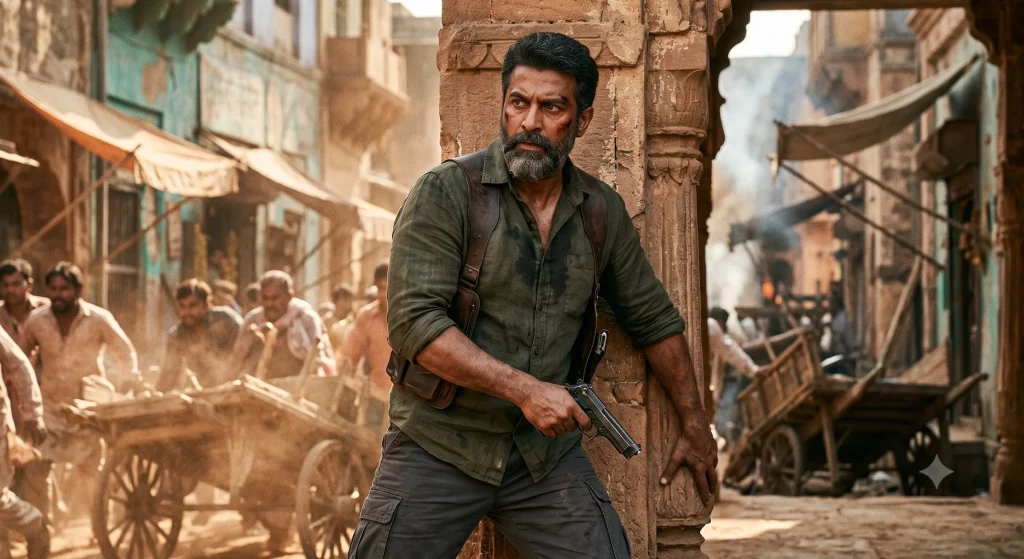
As the visual language of action cinema evolves, so do the heroes at the center of these narratives. The invincible, morally flawless archetype is rapidly being replaced by the rugged, vulnerable, and deeply flawed protagonist. These modern action stars do not rely on magic shields or extraterrestrial powers; instead, they survive through sheer grit, tactical expertise, and relentless endurance.
Audiences are currently responding to characters who bleed, who tire out during extended hand-to-hand combat, and who carry the heavy emotional scars of their past. This transition reflects a broader cultural desire for authenticity. A hero crawling through the dirt, covered in grime, and desperately fighting for survival in a morally gray world is profoundly more relatable than a digital avatar destroying a fictional city. It is the human element—the visible exhaustion and the tactile reality of the struggle—that is drawing audiences back into the theaters.
What This Means for the Future of Cinema
The decline of the guaranteed CGI blockbuster is forcing a much-needed recalibration within the film industry. Originality is once again becoming a vital currency. Because massive budgets can no longer guarantee a proportional box office return, studios are recognizing the value of the mid-budget action film. These moderately budgeted projects can focus heavily on character development, practical effects, and tight storytelling, turning a healthy profit without needing to break historical box office records.
Ultimately, the resurgence of the rugged action hero signifies a renaissance of classic filmmaking techniques. By prioritizing physical sets, dedicated stunt choreography, and emotionally resonant, imperfect characters, cinema is finding its way back to its most thrilling roots. The global box office has made its mandate clear: the future of the action genre belongs to the raw, the real, and the rugged.